हमारे बारे में

ओड़िया महिलाओं को सशक्त बनाना • हमारी सांस्कृतिक धरोहर को सुरक्षित रखना • समाज के लिए समर्पित सेवा

The Delhi Odia Nari Kalyan Samiti (DONKS) is a registered socio-cultural and development organisation based in New Delhi, dedicated to the empowerment of women and children, the promotion of Odia culture, and the creation of sustainable community welfare initiatives. Established under the Societies Registration Act, DONKS operates within the National Capital Territory (NCT) of Delhi 

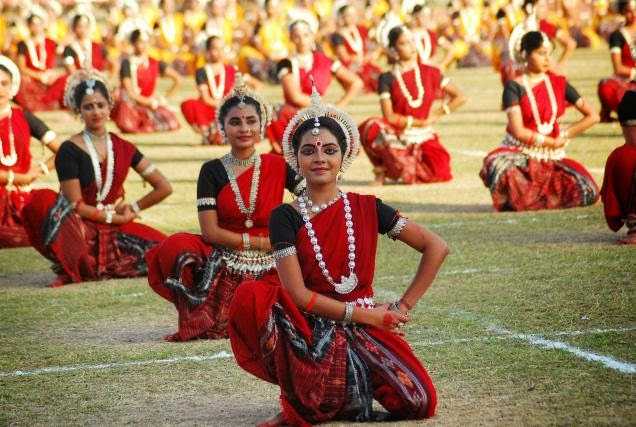
समिति का उद्देश्य दोहरे मिशन पर आधारित है— सांस्कृतिक संरक्षण और सामाजिक विकास। DONKS एक ओर कमजोर एवं वंचित वर्गों के हितों की रक्षा के लिए कार्य करता है, वहीं दूसरी ओर दिल्ली में रहने वाले ओड़िया समुदाय की पहचान को मजबूत करने वाले पारंपरिक ओड़िया त्योहारों एवं सांस्कृतिक विरासत को भी संरक्षित और प्रोत्साहित करता है।

Vision:

To create a society where every woman and child enjoys equality, dignity, and access to opportunities for education, health, and livelihood while remaining deeply rooted in their cultural values.

Mission:

To improve the quality of life of marginalised women, children, and families by ensuring their fundamental rights through education, health, economic empowerment, and community mobilisation. DONKS also strives to strengthen Odia cultural identity in the capital region through collective participation and celebration.


Core Focus Areas

The Samiti functions through four core segments of social impact:

  1. Education – Providing access to quality education for all children regardless of gender, caste, or creed, fostering intellectual, moral, and spiritual development.
  2. Healthcare – Promoting preventive and curative health practices, especially for women and children in marginalised communities.
  3. Livelihood – Offering skills, vocational training, and entrepreneurship support for self-reliance and financial stability.
  4. Skill Development – Establishing training institutes for typing, shorthand, computer education, arts, crafts, dance, yoga, painting, and other creative fields.

These segments are complemented by activities promoting environmental conservation, equality, and cultural inclusion.

Core Values

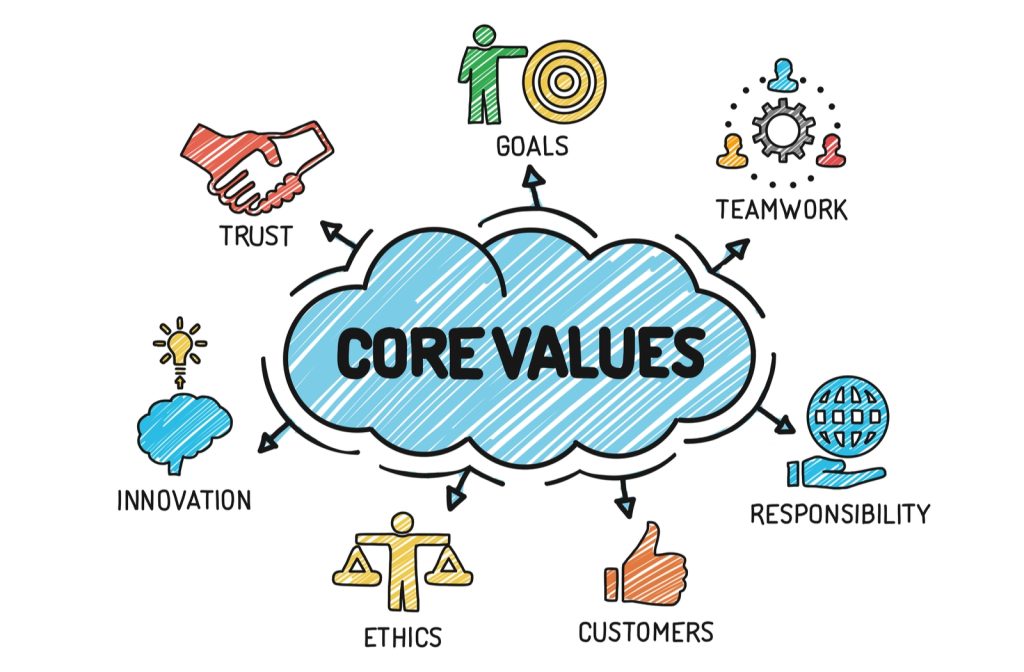
  • Accountability: Transparent governance and financial responsibility.
  • Collaboration: Partnership with local communities and stakeholders.
  • Equality: Promoting inclusivity and gender balance in all initiatives.
  • Innovation: Encouraging creative, sustainable solutions.
  • Integrity: Maintaining honesty and ethical standards in all actions.
  • Respect: Upholding dignity of beneficiaries, members, and partners.

Environmental Responsibility: Advocating for a clean and green environment.
Community and Cultural Engagement

The Delhi Odia Nari Kalyan Samiti not only works for welfare but also upholds the rich cultural heritage of Western Odisha. The organisation hosts major Odia festivals throughout the year, creating a familial and communal atmosphere among the Odia diaspora in Delhi.

Major Festivals Celebrated

  1. Pushpuni (Chher-Chhera)
    Celebrated on Pousha Purnima, symbolising joy after harvest, featuring singing, dancing, and sharing of sweets like arsa and manda. DONKS organises group feasts and traditional performances.
  2. Chadkhai
    Observed after Kartik Purnima, it marks the end of the month-long vegetarian fast. It’s known as the biggest food carnival in Western Odisha and is celebrated with communal feasting.
  3. Puo Juintia & Bhai Juintia
    Festivals celebrating the sacred bonds of mothers with children and sisters with brothers respectively. Women fast and pray for the long life and prosperity of their children and siblings.
  4. Pakhal Din
    Commemorating “Pakhal” (fermented rice water) the staple dish of Odisha this is celebrated on 20th March every year as World Pakhal Day, featuring a traditional Odia meal with music and camaraderie.
  5. Pura Uwans
    A festival educating children about household and agricultural traditions through playful activities involving clay toys, bullock carts, and folk rituals.
  6. Sital Sasthi
    Marking the divine marriage of Lord Shiva and Goddess Parvati, celebrated with grandeur, processions, and devotion, reflecting Odia culture in Delhi.
  7. Dhanu Jatra
    The legendary open-air theatre festival reenacting the story of Lord Krishna and King Kansa, celebrated with dance, drama, and performances.
  8. Chatar Jatra
    Dedicated to Maa Manikeswari, this festival draws thousands of devotees from Odisha and Chhattisgarh. DONKS organises prayers and cultural songs honouring the Goddess.
  9. Sabitri Uwans (Savitri Brata)
    Observed by married women for the long life and well-being of their husbands through fasting and worship, symbolising the devotion of Savitri towards Satyaban.
  10. Nuakhai Bhetghat
    The harvest festival of Western Odisha, held after Ganesh Chaturthi, where families offer the first yield (Nabanna) to deities and gather for a feast. DONKS celebrates this grandly with cultural performances and community meals.

Impact and Achievements

  • Over 250 active members contributing to women and child welfare projects in Delhi.
  • Regular awareness campaigns on literacy, self-defense, and health.
  • Scholarship and aid programs for economically challenged students.
  • Skill-building workshops for women in tailoring, computer literacy, and entrepreneurship.

Annual cultural festivals uniting Odia families across Delhi NCR.

Legal and Financial Standing

  • Registered under Societies Registration Act, 1860.
  • Operates on a No Profit – No Loss basis as per Income Tax Act, 1961 (Section 11(5)).
  • All income and donations are reinvested into social and cultural development.

The Delhi Odia Nari Kalyan Samiti (DONKS) represents the perfect confluence of social service and cultural heritage. Through its initiatives in education, health, livelihood, and skill development, it uplifts underprivileged sections of society while keeping the spirit of Odisha alive in the capital. Its festivals, community service programs, and women empowerment activities collectively reinforce the idea of unity in diversity, compassion, and cultural pride.